Galápagos in March
March is the peak of the warm season in every sense: the hottest air temperatures of the year, the most rain, and the warmest sea. It’s also the month the waved albatross come back to Española, which for many birders is the single most anticipated event of the Galápagos calendar. If you can handle heat and a daily shower, March gives you the warm season at full power plus the first big wildlife headline of the year.
Weather in March
Air averages 31°C high / 23°C low - the hottest month. Rain is at its annual peak too (around 131 mm falls in a typical February, and March is at least as wet; sources flag March as the rainiest month of the year). The pattern is consistent: sunny mornings, heavy but brief afternoon downpours, then clearing. Plan hikes early, snorkel in the middle of the day, and let the afternoon rain be your siesta signal.
Sea conditions in March
Calm sea, and the warmest water of the year: around 24°C by operators’ averages, with satellite surface readings at Puerto Ayora averaging 27.2°C - the highest monthly value of the year. Warm-season clarity continues, so snorkeling is at its best. One caveat for itineraries that include the northern coasts of the larger islands: from March into April there’s a chance of a “swell from the north” (ola de fondo), which can stir up landings and snorkel sites that face north. Your boat’s naturalist guide will adjust the schedule if it arrives; landings are simply shuffled, not cancelled.
Wildlife in March
- Waved albatross return to Española. The first birds arrive at the end of March, around the equinox, to the only nesting colony in the world. Numbers build through April. If you’re on Española in late March, you may catch the first arrivals claiming nests - though the full courtship spectacle is an April thing.
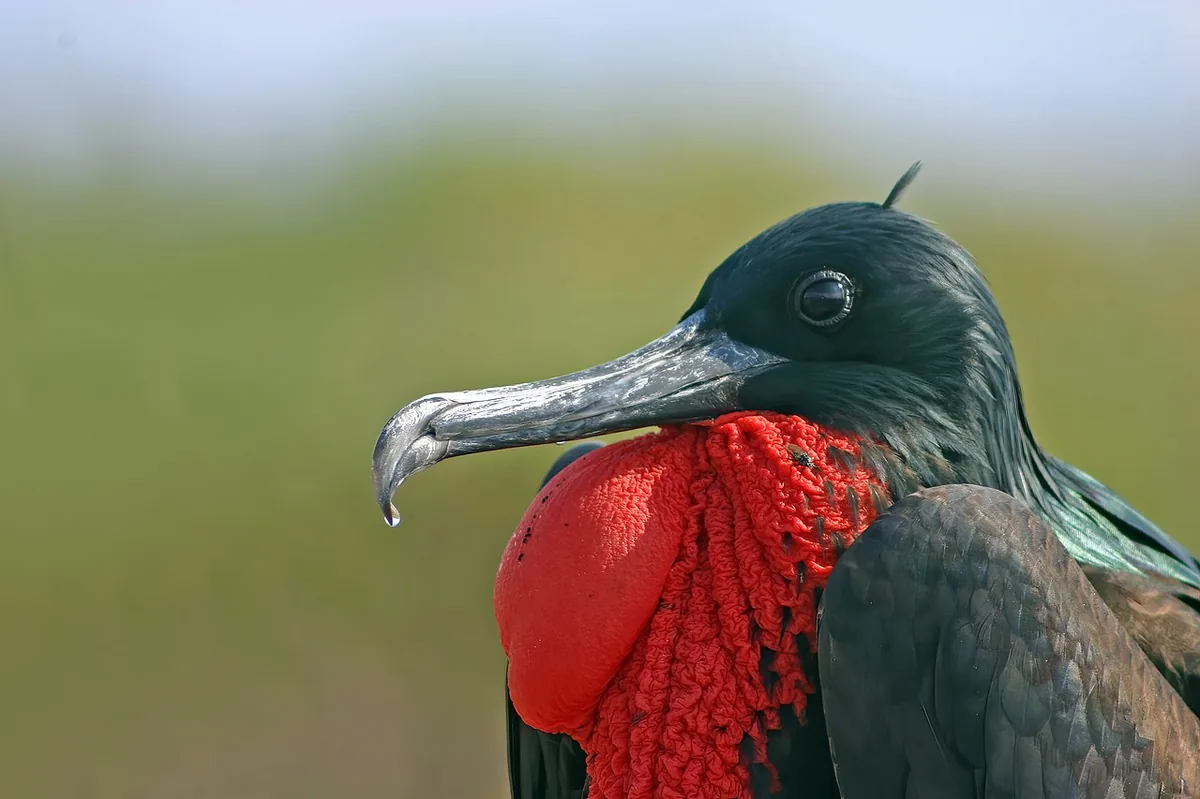
- Great and magnificent frigatebirds with red pouches. March through June is the season when males on San Cristóbal and Genovesa inflate their bright red throat pouches. It’s one of the most photogenic displays in the islands.
- Marine iguanas nest on Fernandina and Seymour. Females dig and lay through this stretch of the warm season.
- Green turtles still nesting. The January–March window closes this month.
- Red-footed booby chicks hatch on Genovesa. The big colony at Genovesa gets noisier as chicks appear.
- Flamingo chicks hatch on Floreana. The nesting that started in February produces chicks in March.
Who March is good for
- Birders who want the albatross. Late March is the earliest you can see them.
- Snorkelers and divers. Warmest water of the year and the best visibility.
- Photographers. Frigatebird pouches, rain-washed light, and green landscapes.
- Heat-tolerant travelers. If 31°C and humidity don’t scare you, the rewards are big.
Who should think twice
- Heat-averse travelers. The hottest month, plus the most rain. If that combination sounds miserable, look at May or the dry season.
- Northern-route sailors who hate swell. The chance of a north swell in March–April can make some crossings lumpy; it’s the exception in an otherwise calm month, but it exists.
- Easter and Carnaval travelers. Both holidays sometimes land in March. When they do, Ecuadorian demand spikes and flights fill; expect higher prices and book earlier.
Booking advice
March is regular demand most years, with spikes when Carnaval or Easter fall inside the month. The albatross return gives late March a quiet pull among serious birders, so Española-inclusive itineraries sell first. If that’s your target, book the boat before the flights are locked. Two useful reads before you pay: our cruise vs land-based comparison and the guide to entry fees - the $20 transit control card is paid at the mainland airport, the $200 park fee on arrival in the islands.
Last verified: September 2026