Galápagos in February
February is the heart of the warm season, and by most measures the warmest month of the Galápagos year. Air peaks around 30°C, the water reaches its operador-average high, and rainfall hits its annual maximum - though “maximum” in Galápagos still means brief afternoon downpours, not days of grey. It’s a month where the wildlife action moves to nests: flamingos on Floreana, marine iguanas on Santa Cruz, and the last of the Nazca boobies finishing up on Española.
Weather in February
Air averages 30°C high / 23°C low. February is the rainiest month at Puerto Ayora (around 131 mm in a typical year), but the warm-season pattern holds: bright mornings, a shower in the afternoon, sun again by evening. Humidity is at its highest. Pack light rain gear and quick-dry clothes rather than a heavy jacket.
Sea conditions in February
The sea stays calm, and February is the warmest month for water by the operators’ averages at around 24°C. Satellite sea-surface readings for Puerto Ayora run warmer still, near 26.4°C - the surface layer in the warm season is genuinely bath-like. In practice, snorkelers are comfortable without wetsuits, and long swims or snorkel sessions are easy. Underwater visibility in the warm season is at its best of the year, since the calm, warm, clear water of the Panama current dominates.
Penguins largely shift to the western islands (Isabela and Fernandina) in February, following the cooler water there - so if seeing one is a priority, the west is where your itinerary should go.
Wildlife in February
- Flamingos start nesting on Floreana. At Punta Cormorant’s brackish lagoon, American flamingos build their cone-shaped mud nests from February onward. They’re shy birds - keep distance and quiet, and note they’ll abandon a nest if disturbed, which is exactly why your guide enforces the trail rules.
- Marine iguanas nest on Santa Cruz. Females dig burrows in sand and soil, sometimes right beside the visitor paths, and lay their eggs. Watch where you step and give nesting females space.
- Nazca boobies wrap up on Española. February marks the end of the Nazca booby nesting season there.
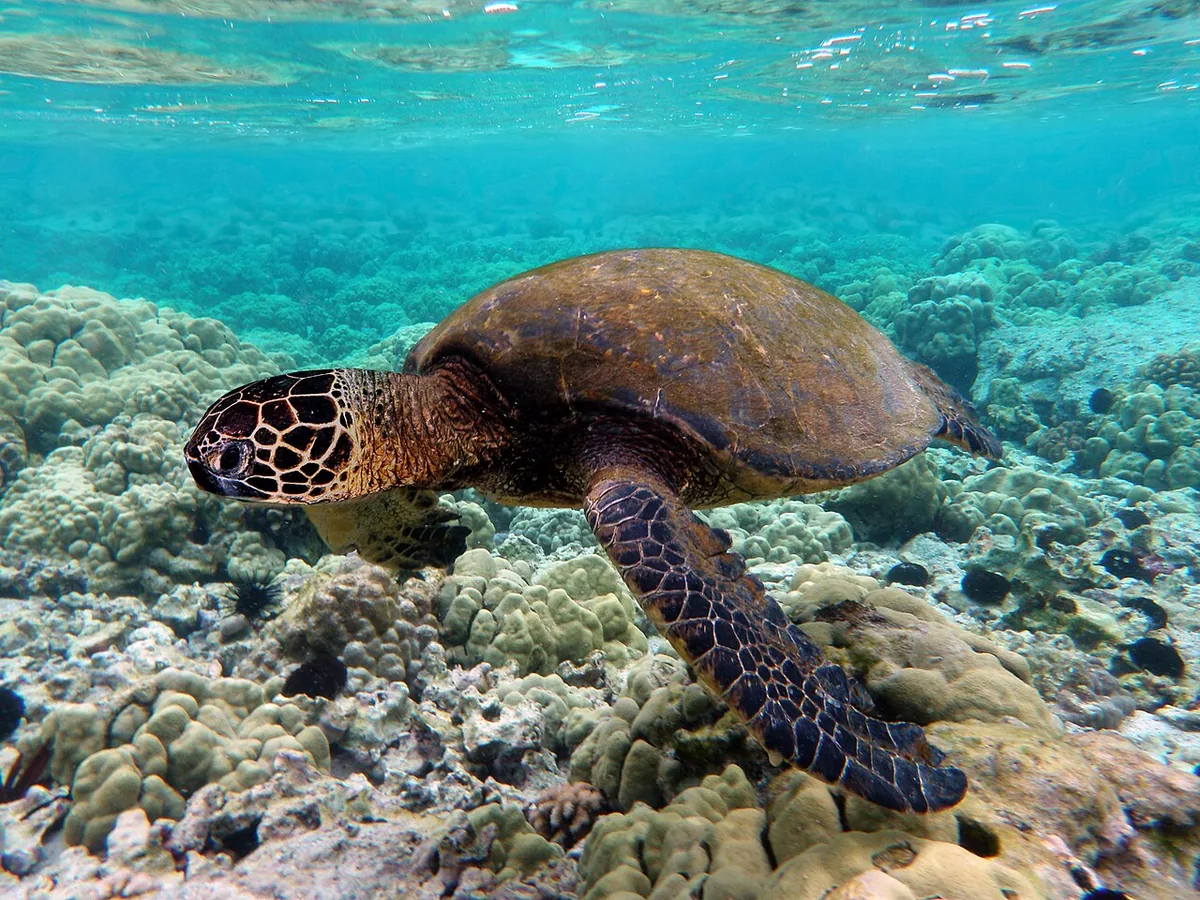
- Green turtles are still nesting. The January–March nesting window is in full swing, with hundreds of eggs going into the sand on the main beaches.
- Red-footed boobies nest on Genovesa. February falls within their nesting period, and Genovesa holds the planet’s largest colony of the species.
Who February is good for
- Warm-water lovers. The sea is at its most inviting; snorkeling is easy and long.
- Birders with flamingo on the list. This is when nesting activity starts and the lagoon birds are most tied to their sites.
- Travelers who want green islands. The highlands are at their lushest.
- Anyone avoiding rough seas. February sits squarely in the calm stretch.
Who should think twice
- Humidity-sensitive travelers. February is the warmest, most humid month - if you melt in heat, consider the dry season instead.
- Penguin seekers who won’t go west. Most penguins have moved to Isabela and Fernandina; if your itinerary is central/eastern only, your odds drop.
- Albatross fans. Still absent until April.
Note: February often overlaps Carnaval and, occasionally, Easter falls in late March–April. When Ecuador’s holidays line up with your dates, domestic tourism pushes demand and flight prices up - book earlier than you think you need to.
Booking advice
February is regular demand by Galápagos standards, but Carnaval week (a long national holiday) can fill flights and boats with local travelers. Book your preferred boat two to three months out as a baseline, and earlier if Carnaval or Easter falls within your trip. If you’re budget-minded, our when to visit Galápagos overview shows how the months compare, and our guide to entry fees covers the $20 transit card and $200 park fee you’ll pay along the way.
Last verified: September 2026