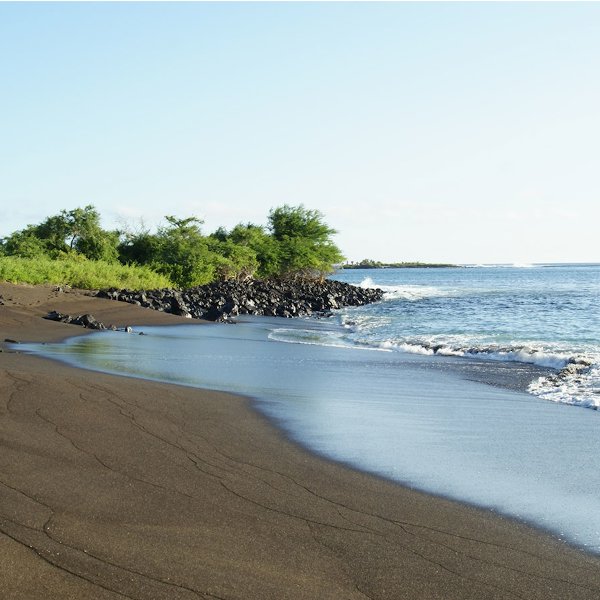
A honeymoon in Galápagos works because the islands never feel like a resort loop. You are out on the water at seven, swimming over turtles by nine, and eating dinner in a small port town where the biggest evening decision is which waterfront table gets the sunset. Our version adds the piece most couples don’t think of until they arrive: ending the trip in the cloudforest, not the airport hotel. Here is how we build it.
Why the islands work for two
Wildlife does the romance for you. Sea lions court noisily on the beach, frigatebirds inflate red pouches at sunset, and the animals’ total indifference to humans means you share every scene with nobody crowding you. Groups cap at 16 visitors per guide at visitor sites, so even “shared” experiences stay intimate. And the rhythm suits couples: mornings active, afternoons slow, evenings genuinely quiet. No casinos, no crowds, very few bars with music past ten. If your idea of romance is a sunset pier and the sound of waves, this is your place.
Cruise or land-based for a honeymoon?
Cruises give you the postcard version: wake up at a new island each day, no logistics, dinner on deck. Smaller yachts with 16 or so passengers feel private even when full; ask about upper-deck cabins if either of you is motion-sensitive, and about stabilizers if the sea season is rough. The western islands are the wildest scenery; the eastern routes add Española’s albatross colony in season.
Land-based honeymoons trade some spectacle for space and choice: a hotel you love, dinners you select, days you can skip. Santa Cruz plus San Cristóbal is the classic pair, and Isabela adds the castaway-romance option, all sand streets and sunset beaches. The cruise-versus-land tradeoffs apply to couples as much as anyone. Honestly, for most couples the best version is a shorter cruise plus a few hotel days, so you get both the remote islands and the freedom to be lazy.
The days couples remember
A few experiences earn their reputation, most of them tied to which islands sit near which:
- Snorkeling at Kicker Rock or Los Túneles, where the water is clear and the company is sharks, turtles and rays.
- Sunset on the Puerto Villamil beach on Isabela, sand so long the crowds disappear.
- Kayaking a mangrove channel at Tortuga Bay or Black Turtle Cove at first light, engines off, just paddle sounds.
- The highlands of Santa Cruz, where giant tortoises wander through green pasture and the air turns noticeably cooler.
The move most couples miss: finish in Mindo
Here is the part we feel qualified to be opinionated about, because it is our home. After a week of salt, boats and early alarms, most honeymooners fly back to Quito and sit in an airport hotel waiting for their international flight. The better version is heading into the Andes to Mindo, a cloudforest town of waterfalls, hummingbirds and chocolate, where the air is soft and nothing is scheduled.
The pairing makes sense beyond sentiment: the islands give you wildlife you can’t see anywhere else, and the cloudforest gives you a different Ecuador entirely, cooler, greener, slower. Couples who add it end the trip refreshed instead of wrung out, and the flight home leaves from Quito either way. We run Las Terrazas de Dana, our boutique hotel in Mindo, precisely for this: honeymooners who want the last chapters of the trip to be quiet ones, with birding at breakfast and a hammock with a view of the mist.
A simple two-week shape
One week islands, two or three nights cloudforest, done. Land in Quito, fly to Galápagos the next morning, give the islands five to eight days depending on whether you cruise, then return to the mainland and head straight for Mindo rather than Quito traffic. If you are still sizing up the islands side, how many days you actually need breaks the options down. Reserve your international flight out of Quito for the morning after your last cloudforest night.
Practical notes for couples
Book the cruise and the Mindo nights together when you can; the best small boats and the best rooms both sell out early for dry-season dates. Pack one nice dinner outfit, and leave the rest to swimwear and layers. And budget a small cushion for the extras couples actually use: a private guide for a day, a photography tour, the good bottle of wine at the waterfront.
If you want the islands-and-cloudforest version built for you, that is exactly what we do: Galapagos Dana Tours handles the islands, Las Terrazas de Dana handles the decompression.
Last verified: September 2026